
Austin Commercial Photographer: Building a Healthcare Brand Photography Library
What It Takes to Build a Commercial Healthcare Photography Library in One Shoot Day
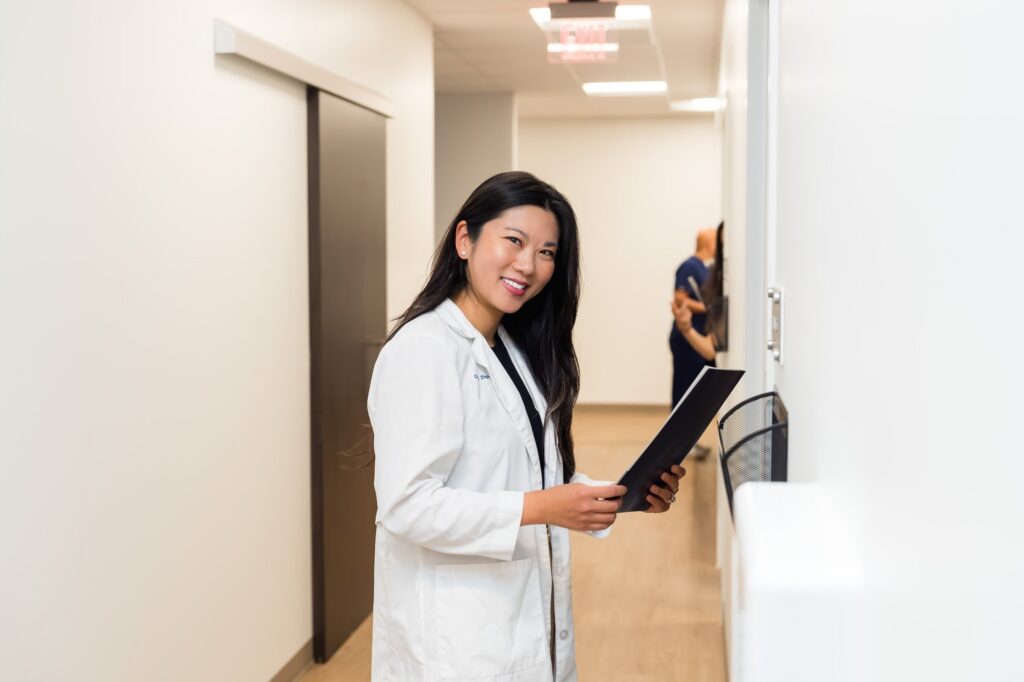
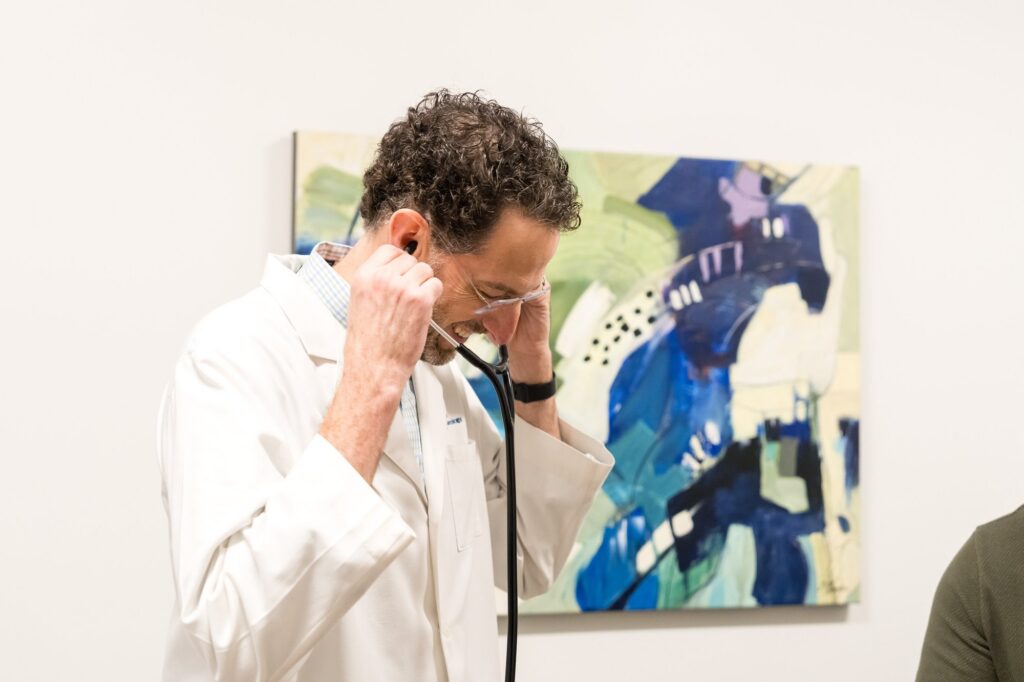
Most healthcare marketing runs on stock photography, and most of it looks like it. Generic doctors in generic hallways, gesturing at nothing in particular. When Austin Gastroenterology came to me, the goal wasn’t a handful of new headshots. It was to replace that stock library entirely with real, ownable imagery of their own physicians, their own clinic, and patients experiencing GI care.
That meant building a commercial photography library large enough to support a full website, digital advertising, physician pages, recruiting materials, and social content, all from real people in a real clinical environment. As an Austin commercial photographer, this is the kind of project I find most interesting: not a single hero shot, but a full system of images that has to work everywhere the brand shows up.
The Scope: 14 Physicians, One Day, 400 Images
The budget for this project was set, which meant the production had to be designed as a single extended shoot day rather than several. Early conversations floated photographing as many as 20 physicians. By shoot day, the schedule was built around roughly 14 physicians and providers, plus staff and stand-ins, all photographed between 8:15 AM and 2:30 PM.
That timeline is the real story here. Fourteen physicians, each with a narrow and often shifting window of availability, needed enough individual attention to feel authentic rather than rushed, while producing enough variety across the group that the final gallery didn’t read as the same photograph repeated fourteen times. The original target was 8 to 10 strong images per physician. The finished library came in closer to 400 images once the full scope, including patient journey imagery, staff interactions, and environmental clinic photography, was accounted for.


Directing Real People, Not Models
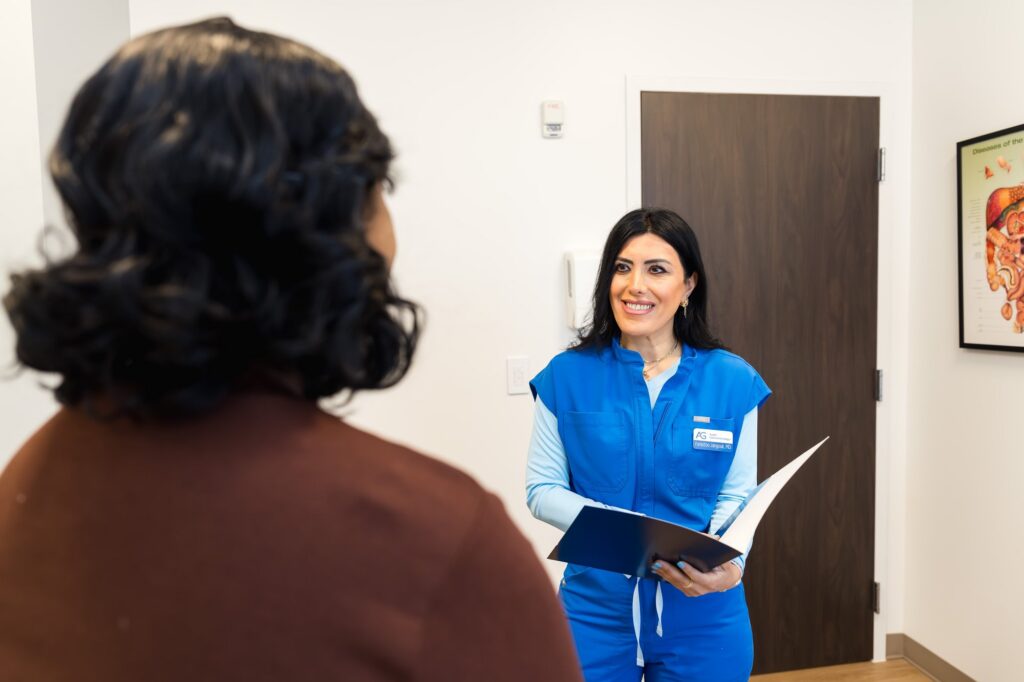
Real patients weren’t photographed, both to protect their privacy and to avoid any HIPAA or PHI complications. Instead, the patient roles were filled by a mix of sourced model talent and non-patient friends and family of staff, giving the production far more control over pacing and repeatable scenarios than working around real patient schedules would have allowed.
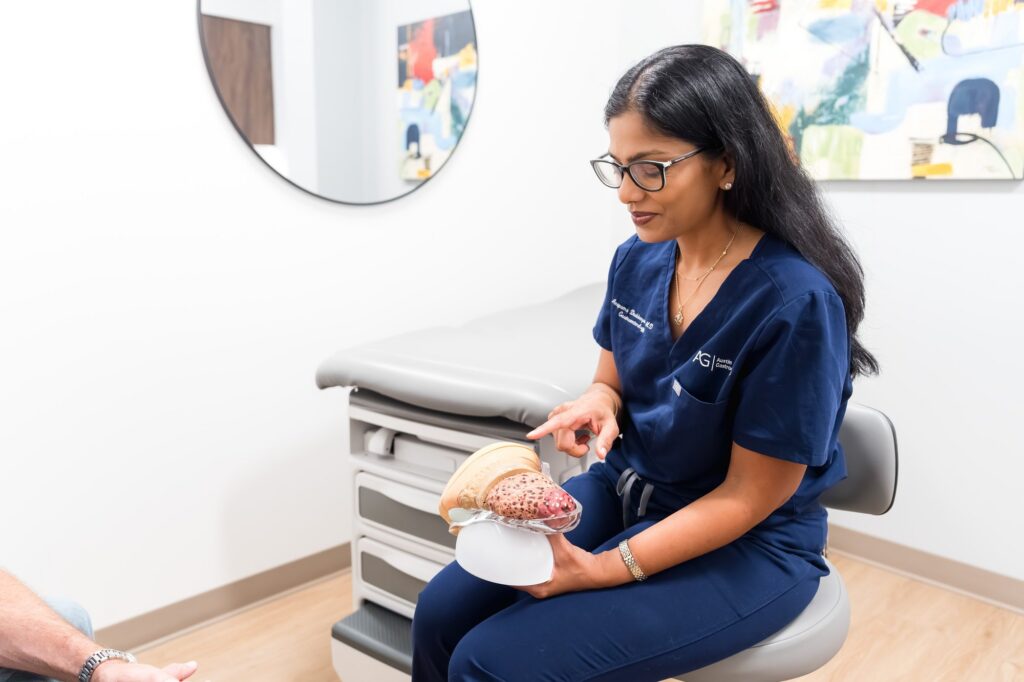
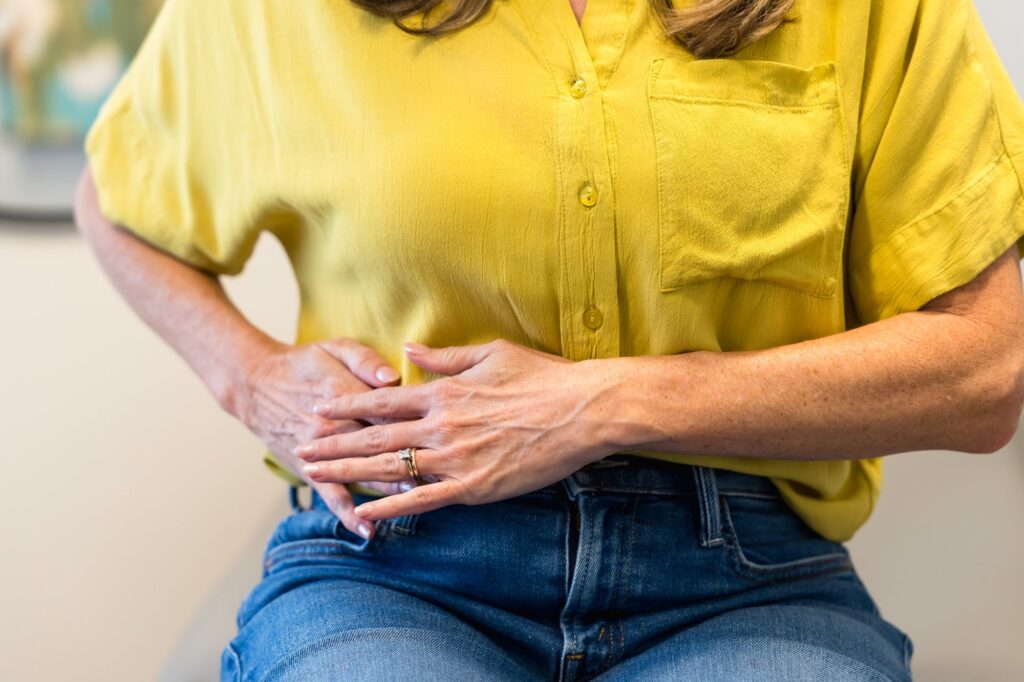
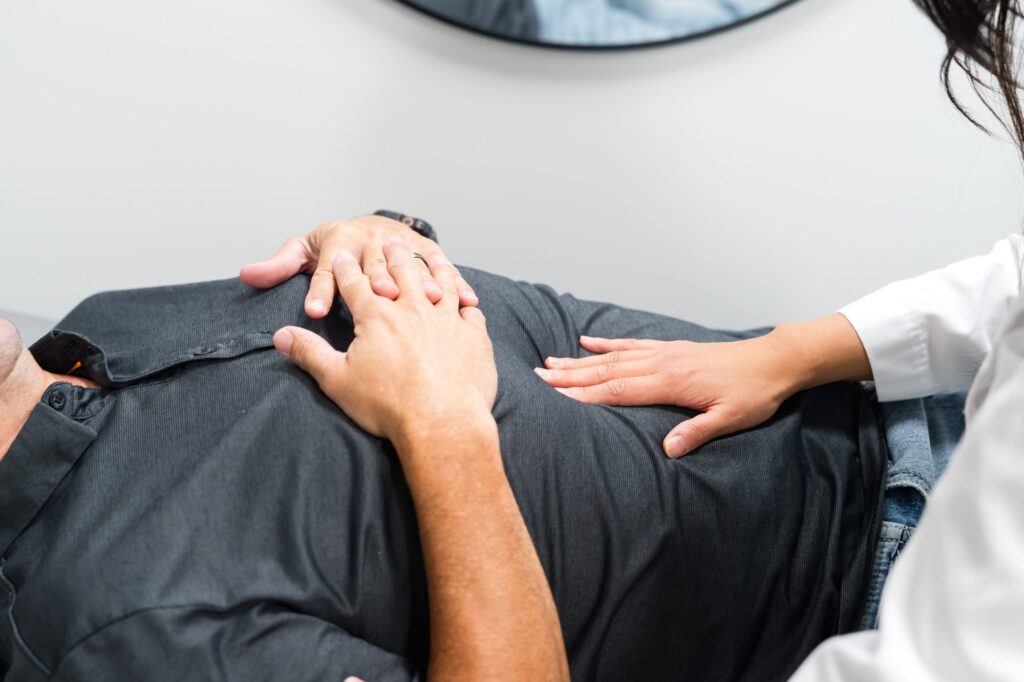
The direction for both physicians and stand-ins, whether hired talent or friends and family of staff, stayed away from vague prompts like “pretend you’re talking.” Instead, each scenario had something specific to do: explain what a colonoscopy involves, point out where the discomfort is, walk through prep instructions together, review next steps using an anatomy model. Giving people a real task rather than asking them to perform closeness produces better body language and more believable expressions, especially with subjects who aren’t used to being photographed.
Solving a Space That Wasn’t Built for Photography
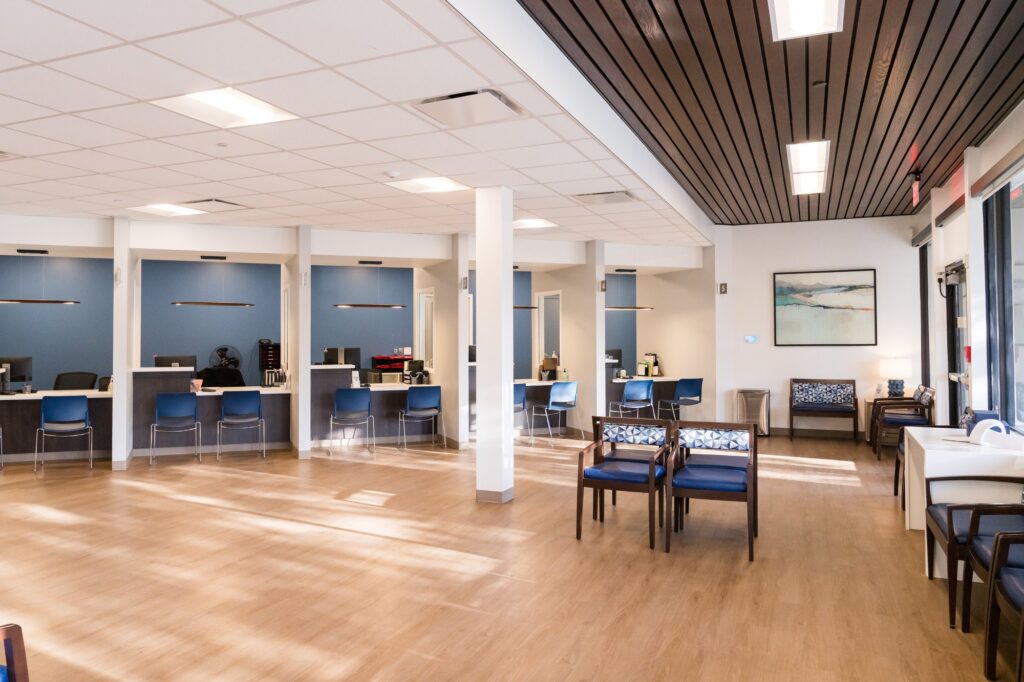
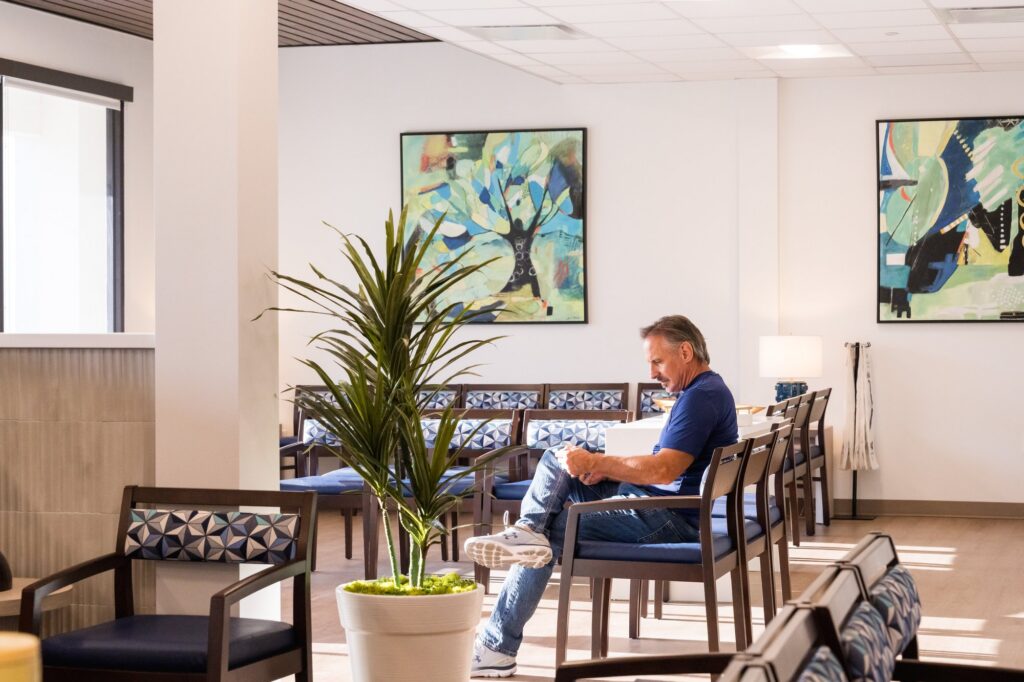
Exam rooms are rarely designed with photography in mind. Neutral walls, low ceilings, limited natural light, and the ordinary clutter of a working clinic all had to be worked with rather than against. Lighting had to be built and controlled in most rooms rather than relying on window light, with the goal of making the space feel bright and welcoming without looking artificially lit.
This is one of the more practical realities of commercial healthcare photography: the environment is what it is. Part of the job is making a working clinical space photograph as warm and credible as the brand needs it to look, without turning it into a set.
Building Variety at Scale
Photographing the same physician-patient interaction fourteen times risks producing fourteen nearly identical images. To avoid that, the shot plan used a repeatable core sequence, greeting, seated conversation, physical exam, education using an anatomy model, closing interaction, and then deliberately varied the room, angle, composition, and physician-patient pairing within that structure.
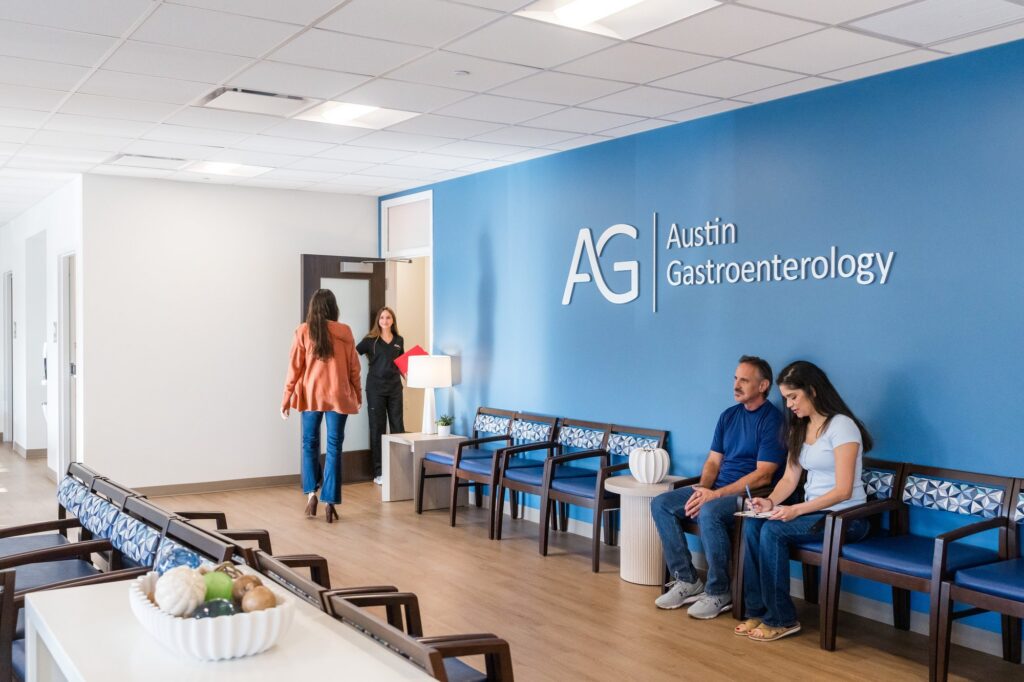
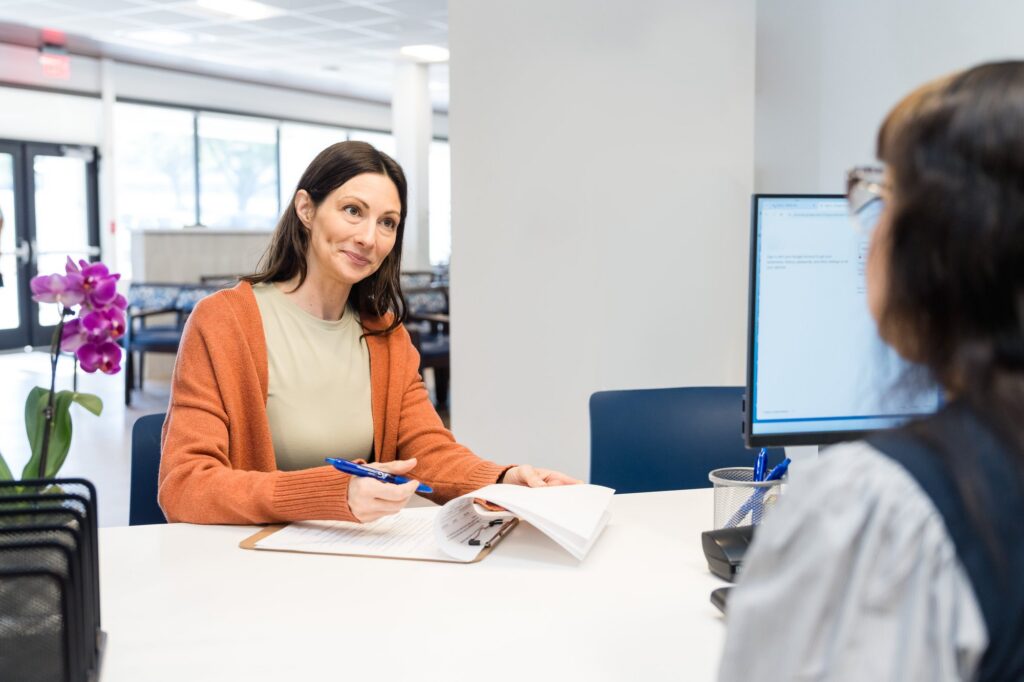
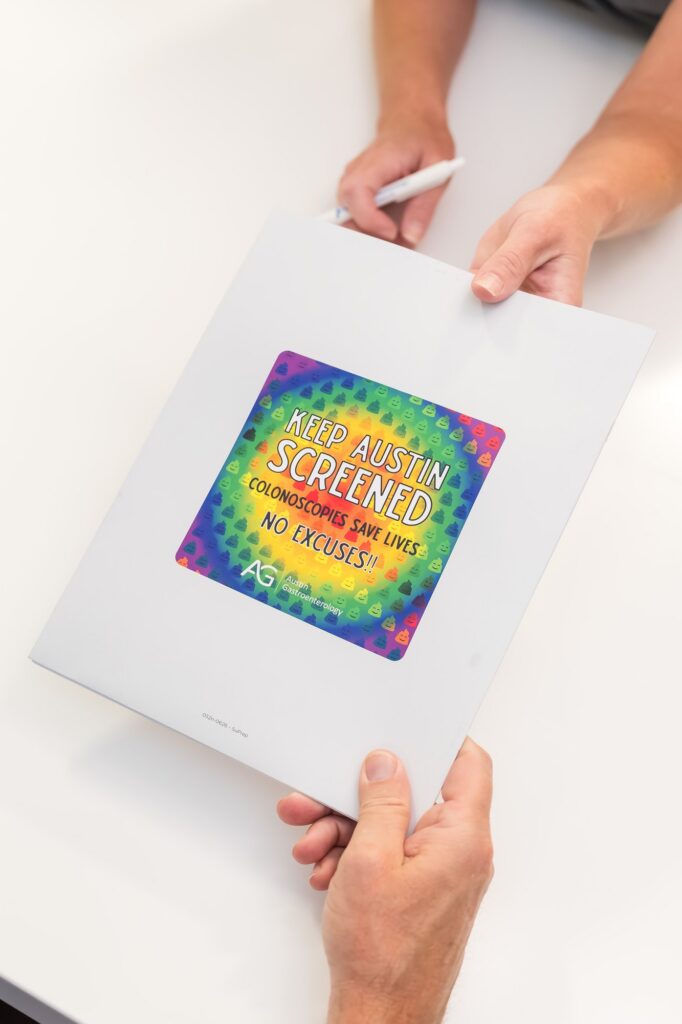
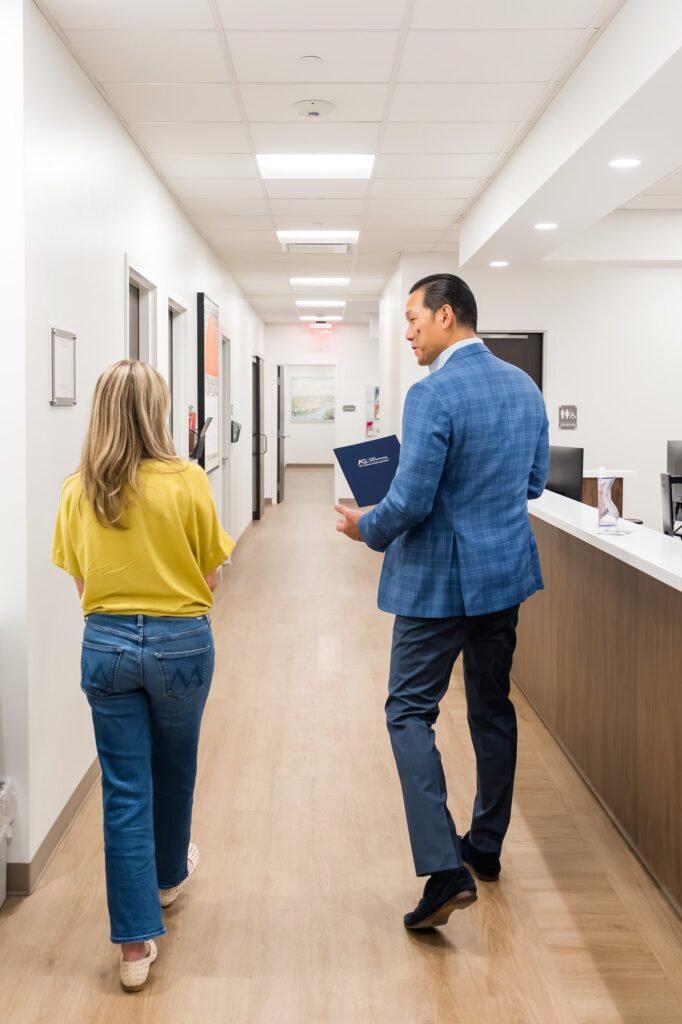
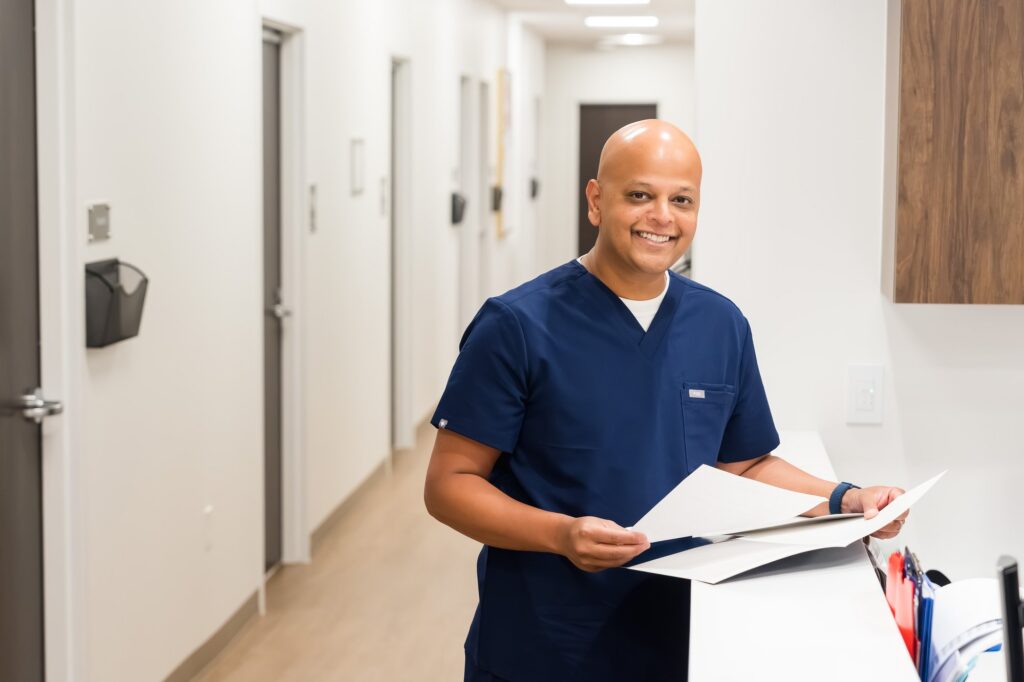
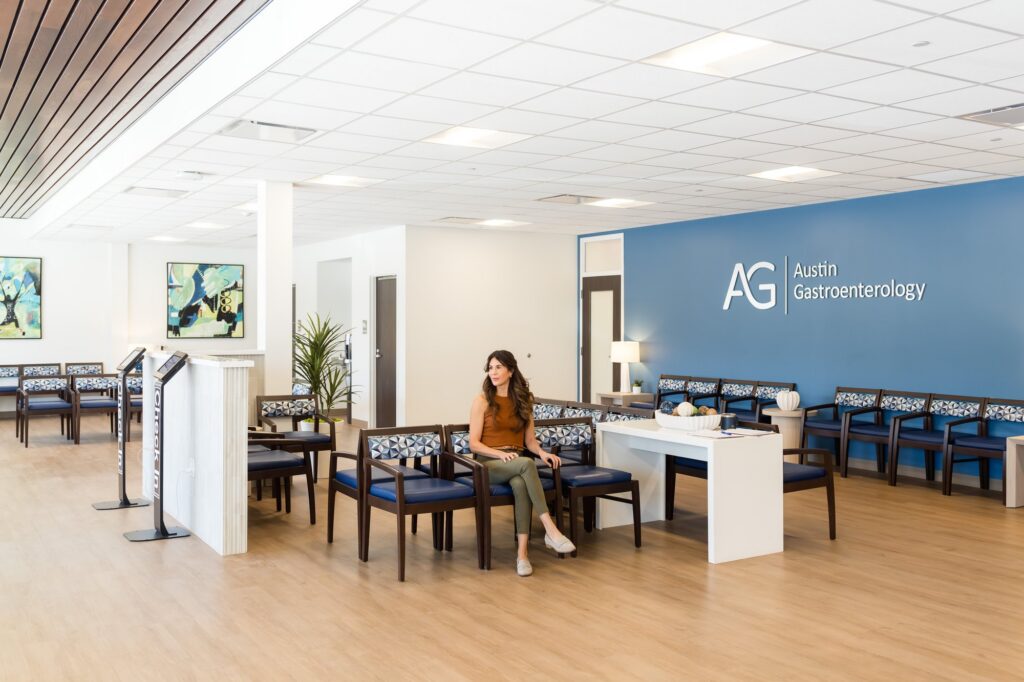
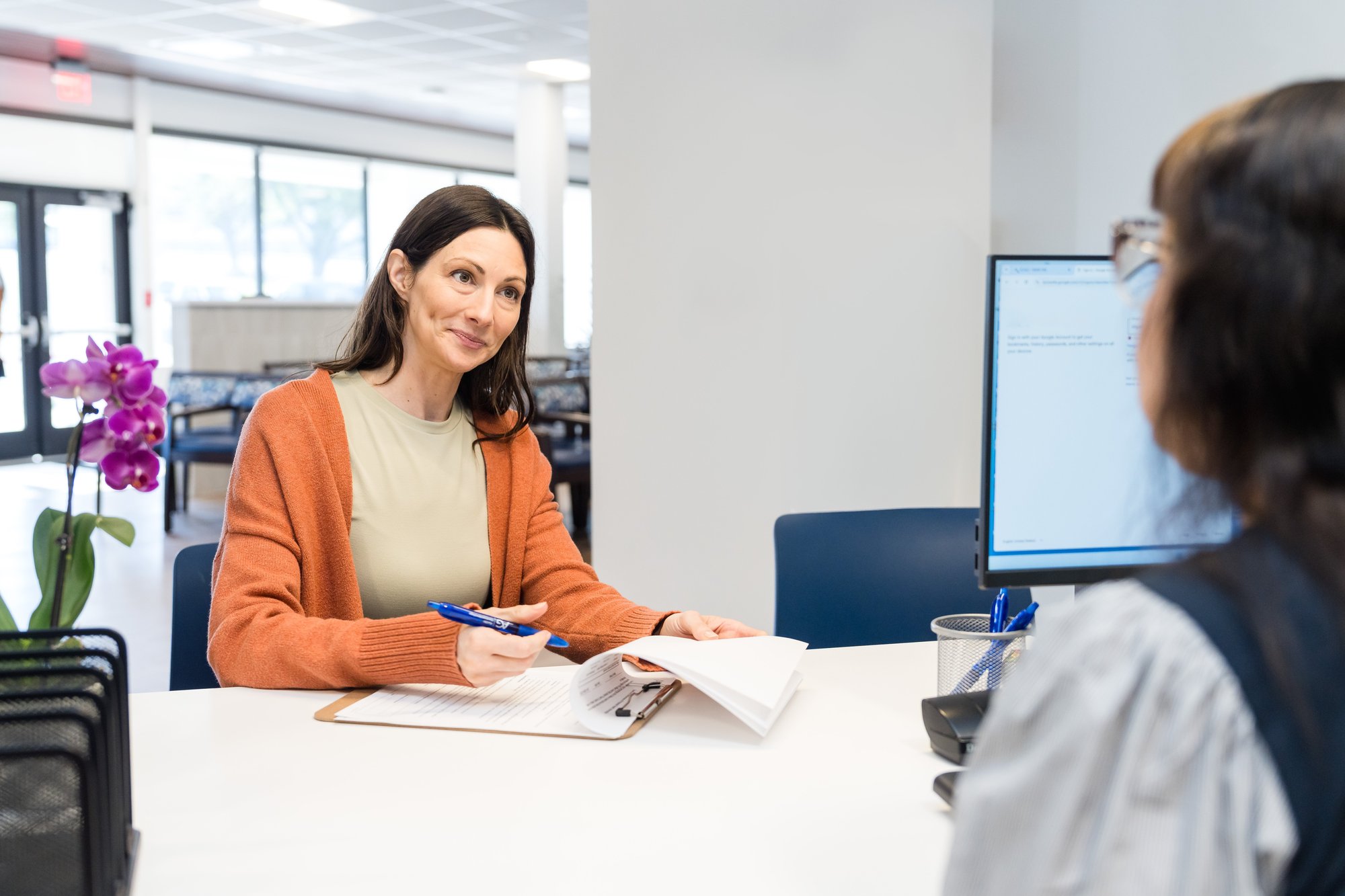
The library also went well beyond exam-room portraits. It included the fuller patient journey: arrival, check-in, the waiting area, vitals, staff interactions at the front desk, and checkout. That range is what makes a library like this genuinely useful to a marketing team. A single production can now populate service pages, physician pages, recruiting content, and social media, rather than solving one narrow image need and leaving everything else to stock photography again.

Why the Planning Matters More Than the Shoot Day
A shoot like this succeeds or fails long before anyone picks up a camera. Physicians were sent a photo guide ahead of time so they knew what to expect and could walk in comfortable rather than caught off guard. Physician schedules had to be coordinated around overlapping clinical duties and mapped into a detailed shoot-day schedule, model releases and physician releases had to be secured in advance, wardrobe direction had to be set for both physicians and stand-ins to keep the palette consistent, and a detailed shot list had to map out enough scenario variation to prevent repetition across more than a dozen physicians. That groundwork is what let the day itself run as a well-executed, on-schedule production rather than a scramble.
That advance planning is what allowed the shoot day itself to move quickly without ever feeling rushed to the people being photographed, which matters even more with real professionals than it does with hired talent.


Healthcare as One Example of a Bigger Approach
This project is one of the clearer examples of what I do as a commercial lifestyle photographer: solve a production problem, direct real people naturally, and deliver an asset library built to function across an entire marketing ecosystem rather than a single page. Healthcare happens to be a strong fit for that approach, but it’s one example among the retail, hospitality, and consumer brand work I do across Austin and beyond.
If your team is planning a commercial photography project that needs to hold up across a full website and multiple marketing channels, I’d be glad to talk through what a production like this could look like for your brand.

Leave a Reply
Commercial Lifestyle Photography and
B-Roll for Brands That Have a Story Worth Telling.
I produce lifestyle campaigns — photo and b-roll together — for retail destinations, hospitality groups, wellness brands, and corporate marketing teams. Based in Austin, TX. Built for the brief.


PLEASE COMMENT BELOW